
YOGA/PILATES ARTICLES
The Importance of Deep Breathing in Yoga
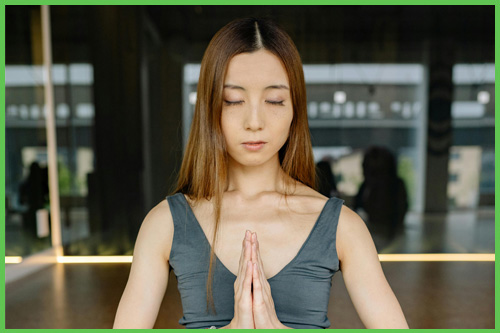
Deep breathing is the foundation of yoga. While many people are first drawn to yoga for flexibility, strength, or stress relief, the true power of the practice lies in the breath. In traditions rooted in ancient India, breath control—known as pranayama—is considered just as essential as physical posture. Without conscious breathing, yoga becomes exercise. With it, yoga becomes transformative.
Breath as the Bridge Between Body and Mind
In yoga, the breath connects movement with awareness. When you move through poses slowly and intentionally, deep breathing anchors attention in the present moment. This connection between breath and motion creates a moving meditation, calming mental chatter and reducing distraction.
What Is Deep Breathing in Yoga?
Deep breathing in yoga often refers to diaphragmatic breathing—drawing air deeply into the lungs so the belly expands rather than the chest rising sharply.
Physical Benefits of Deep Breathing
Deep breathing enhances the physical effects of yoga by:
1. Increasing Endurance
Steady oxygen flow fuels muscles more efficiently, allowing practitioners to hold poses longer with greater stability.
2. Supporting Core Engagement
Diaphragmatic breathing strengthens the deep abdominal muscles and supports spinal alignment.
3. Reducing Muscle Tension
Conscious breathing signals muscles to release unnecessary tightness, increasing flexibility and range of motion. Research shows that slow breathing practices can lower cortisol levels and improve mood. Even a few minutes of focused breathing can create a noticeable shift in mental state.
Breath as the Anchor of Mindfulness
In many yoga traditions, the breath is considered life force—prana. When breath becomes shallow, awareness becomes scattered. When breath deepens, attention stabilizes. This is why instructors frequently cue students to “return to the breath.” It is both a physiological reset and a mindfulness tool.
During challenging poses, breath becomes especially important. Holding the breath often indicates tension or resistance. Returning to deep, steady breathing allows practitioners to stay calm within discomfort—both on the mat and in daily life.
Over time, deep breathing becomes automatic. It extends beyond yoga sessions and influences daily posture, stress response, and overall well-being
Deep breathing is not an accessory to yoga—it is its essence. It strengthens the body, calms the mind, and connects the two through awareness. Whether you are a beginner or an advanced practitioner, refining your breath can deepen every aspect of your practice.
In yoga, the posture shapes the body. The breath shapes the experience.
Consider a Yoga Class
You might find that you can slip easily into a meditative practice on your own, or you might like to explore options such as yoga classes with a focus on meditative aspects. At Yogacorefit, we offer classes for meditation and yoga in Vacaville. Contact us to check out our class schedule and learn now Yogacorefit can be your partner in healing your mind, body and spirit.
CONTACT US
187 Butcher Road
Vacaville, CA 95687
Register for a Yoga Class